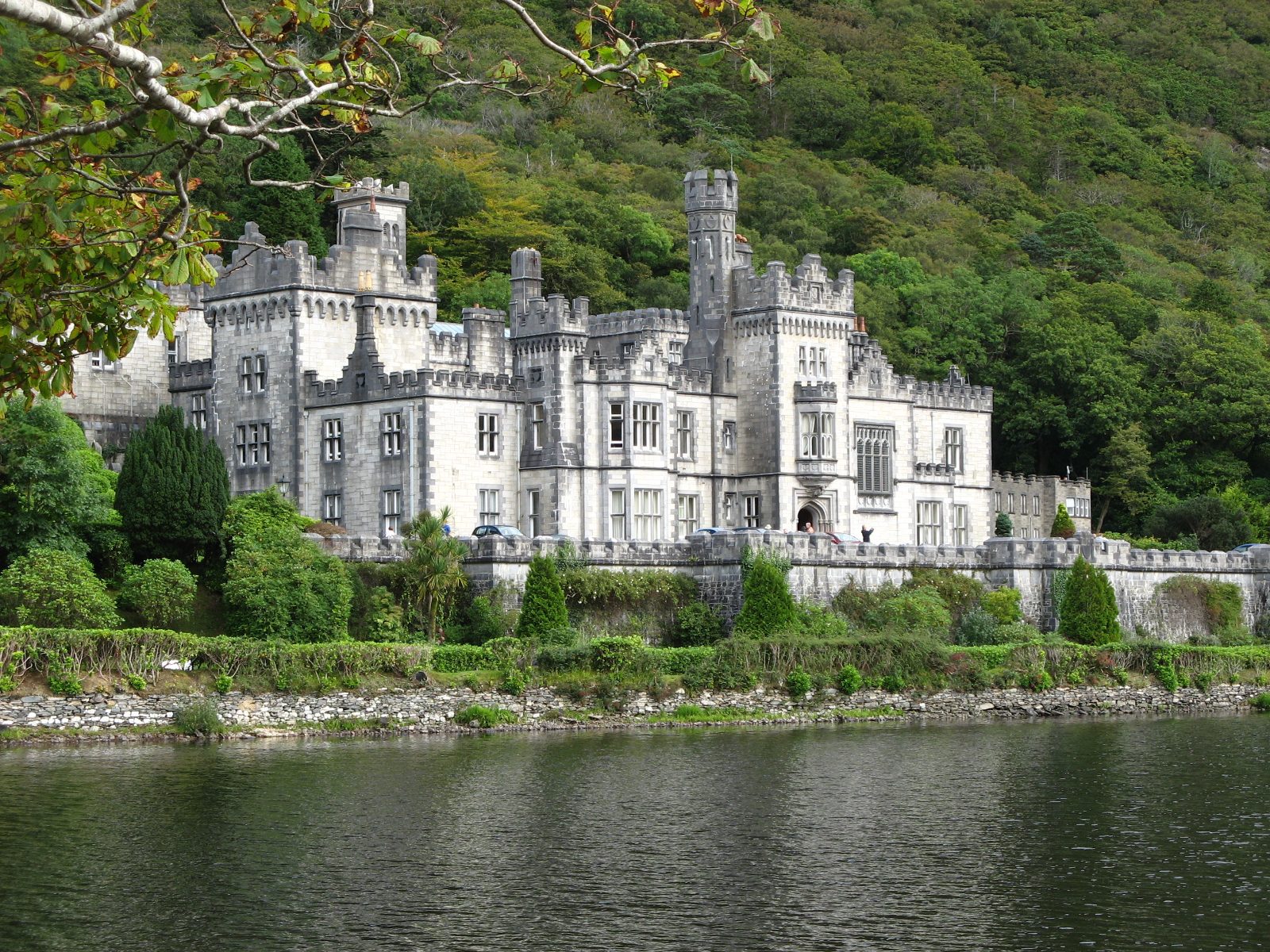
Kylemore Abbey
15 min drive from Letterfrack
This Benedictine monastery is located along the route, providing a historical focal point against the backdrop of Pollacappul Lough.

Connemara sits 40 kilometres west of Galway city, accessible by car, bus, or guided tour. The region has no single entry point—it stretches across western County Galway from Oughterard to Clifden, with multiple routes threading through bog, mountain, and coastal villages. Your choice of route depends on whether you want the fastest drive or the most scenic detour.
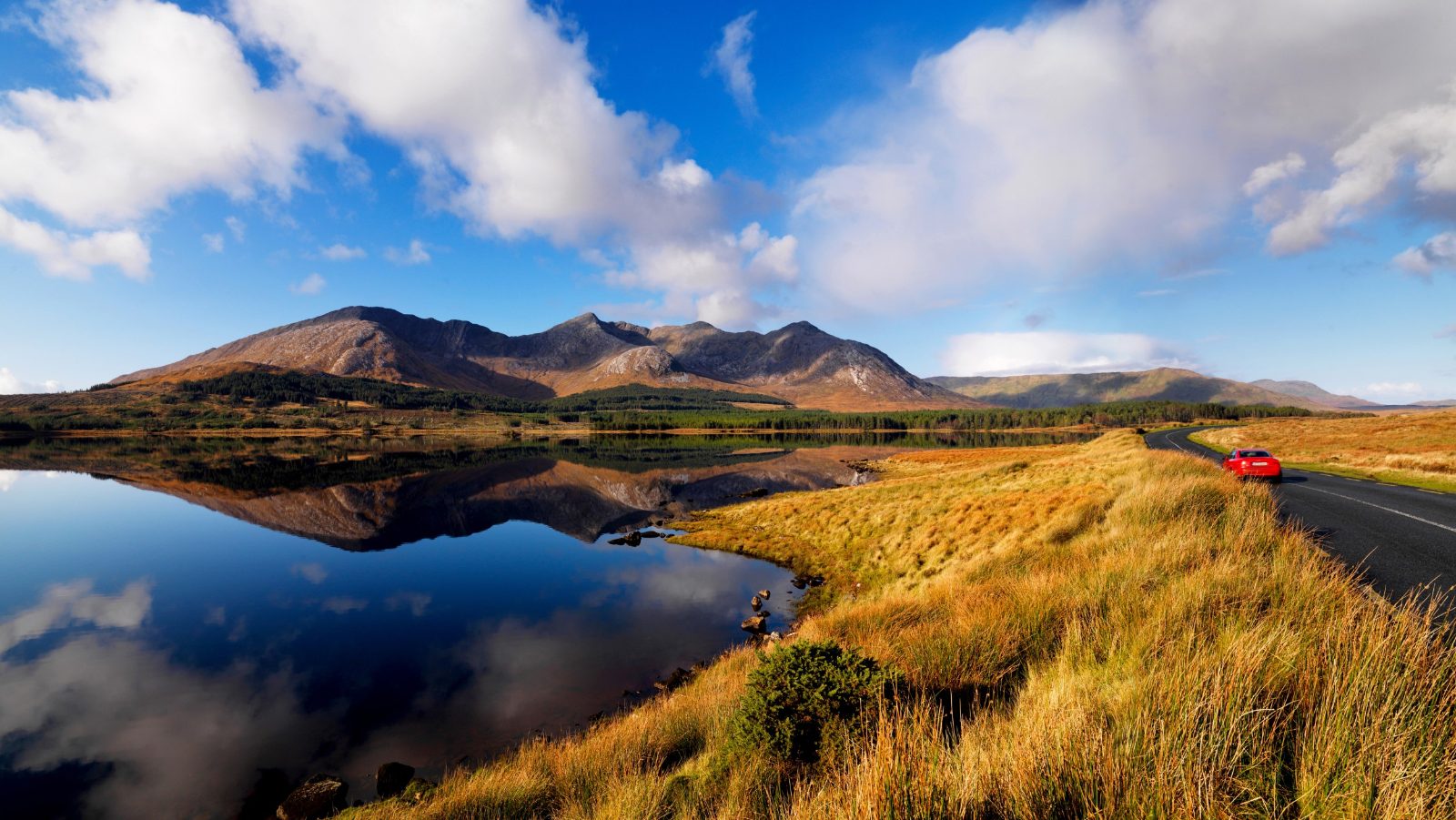
Quick answer
The most direct route from Galway to Connemara follows the N59 northwest through Moycullen and Oughterard, reaching Clifden—the region's unofficial capital—in approximately 80 minutes by car. Regional bus services operated by Bus Éireann connect Galway city with Clifden, Roundstone, and other Connemara villages, with journey times ranging from 90 minutes to two hours depending on stops. The region itself is free to access year-round, with no entrance fees for public roads or open landscapes.
The N59 carries most visitors into Connemara, but the region's geography means no two journeys follow identical paths. The road forks at Maam Cross, where drivers choose between continuing northwest toward Clifden or veering south along the R336 coastal loop through Screeb and Roundstone. Both routes eventually converge, forming a natural touring circuit that takes three to four hours to complete without stops. Public transport serves the corridor between Galway and Clifden with scheduled departures, though frequencies drop outside summer months. The coastal villages—Roundstone, Ballyconneely, Letterfrack—require careful timetable planning or private transport, as many lie several kilometres off the main bus route. Car hire remains the most flexible option for visitors planning to explore beyond Clifden's central square. The R336 coast road trades directness for scenery, threading between the Twelve Bens mountain range and a succession of beaches facing the Atlantic. This route adds 30 to 40 minutes to the journey but passes Roundstone harbour, Dog's Bay, and Ballyconneely's dune systems. The narrow carriageway and frequent livestock crossings demand slower speeds than the N59, particularly between October and March when rain reduces visibility on exposed stretches. Connemara's road network consists largely of single-lane regional routes with periodic passing places, a legacy of the area's low population density and rugged terrain. Sat-nav systems occasionally route drivers onto unimproved bog roads that appear navigable on digital maps but deteriorate into rutted tracks unsuitable for standard rental vehicles. Local signage remains sparse outside main junctions, and mobile coverage thins west of Maam Cross. Paper maps or downloaded offline navigation prove useful when GPS signals drop in mountain valleys. The region rewards early starts—departing Galway between 9:00 and 10:00 positions visitors to explore Kylemore Abbey or the Sky Road loop before afternoon crowds and returns daylight for the drive back. Fuel stations cluster around Clifden and Oughterard, with long gaps along coastal sections where services disappear for 20 kilometres or more.
“The N59 forks at Maam Cross, where drivers choose between speed and scenery—both routes deliver you into Connemara's heart, but by very different roads.”
Connemara is located in the western region of County Galway, primarily accessible by road from Galway City. Visitors can navigate the area using regional bus services or private vehicles via the primary arterial routes.
N59 road via Oughterard
Bus Éireann route 419 to Clifden
Citylink to Clifden
The best arrival window is 09:00–11:00. Early arrival avoids peak traffic on narrow roads and ensures better parking availability.
The best arrival window is 09:00–11:00, as early arrival avoids peak traffic on narrow roads and ensures better parking availability. Planning your journey within this timeframe provides a more predictable experience across the region.
Mild 12°C–16°C
These shoulder months offer balanced weather and manageable visitor numbers.
Warm 14°C–19°C
Expect increased traffic and busy parking areas throughout the region.
—
Mid-week travel significantly reduces congestion on regional routes compared to weekends.
Cool 5°C–10°C
Lower visitor volumes allow for easier navigation, though daylight hours are reduced.
Verdict: The optimal time to travel is Tuesday to Thursday between 09:00 and 11:00 during the months of May or September.
Once you arrive in Connemara from Galway, several landmarks are positioned to enhance your regional exploration. These locations complement a day trip by offering deeper access to the landscape and history of the area.
15 min drive from Letterfrack
This Benedictine monastery is located along the route, providing a historical focal point against the backdrop of Pollacappul Lough.
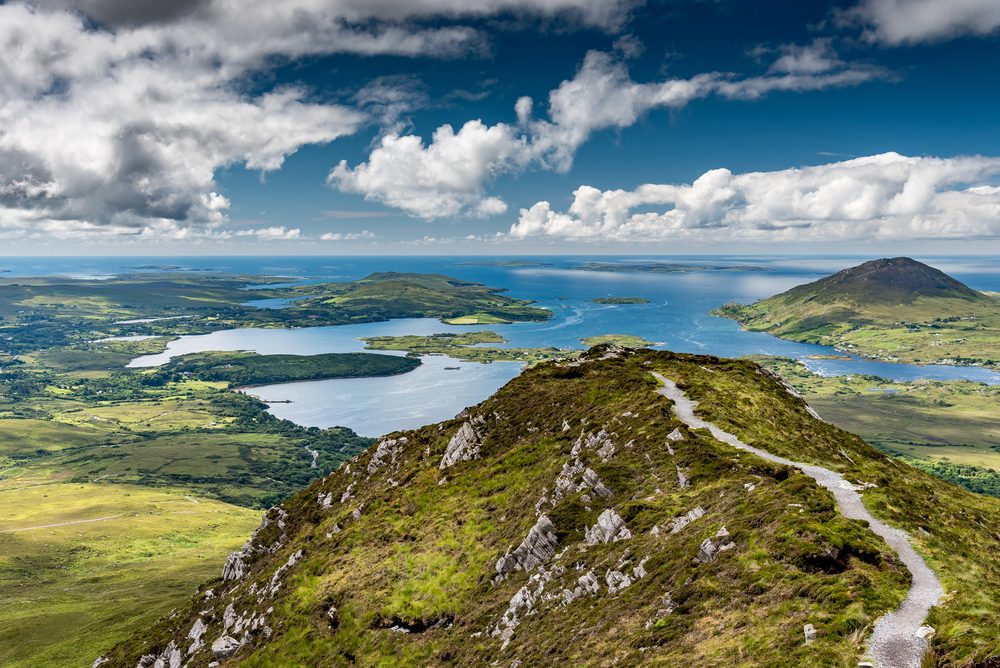
Adjacent to Letterfrack
The park offers walking trails that allow visitors to experience the terrain firsthand after the drive from Galway.
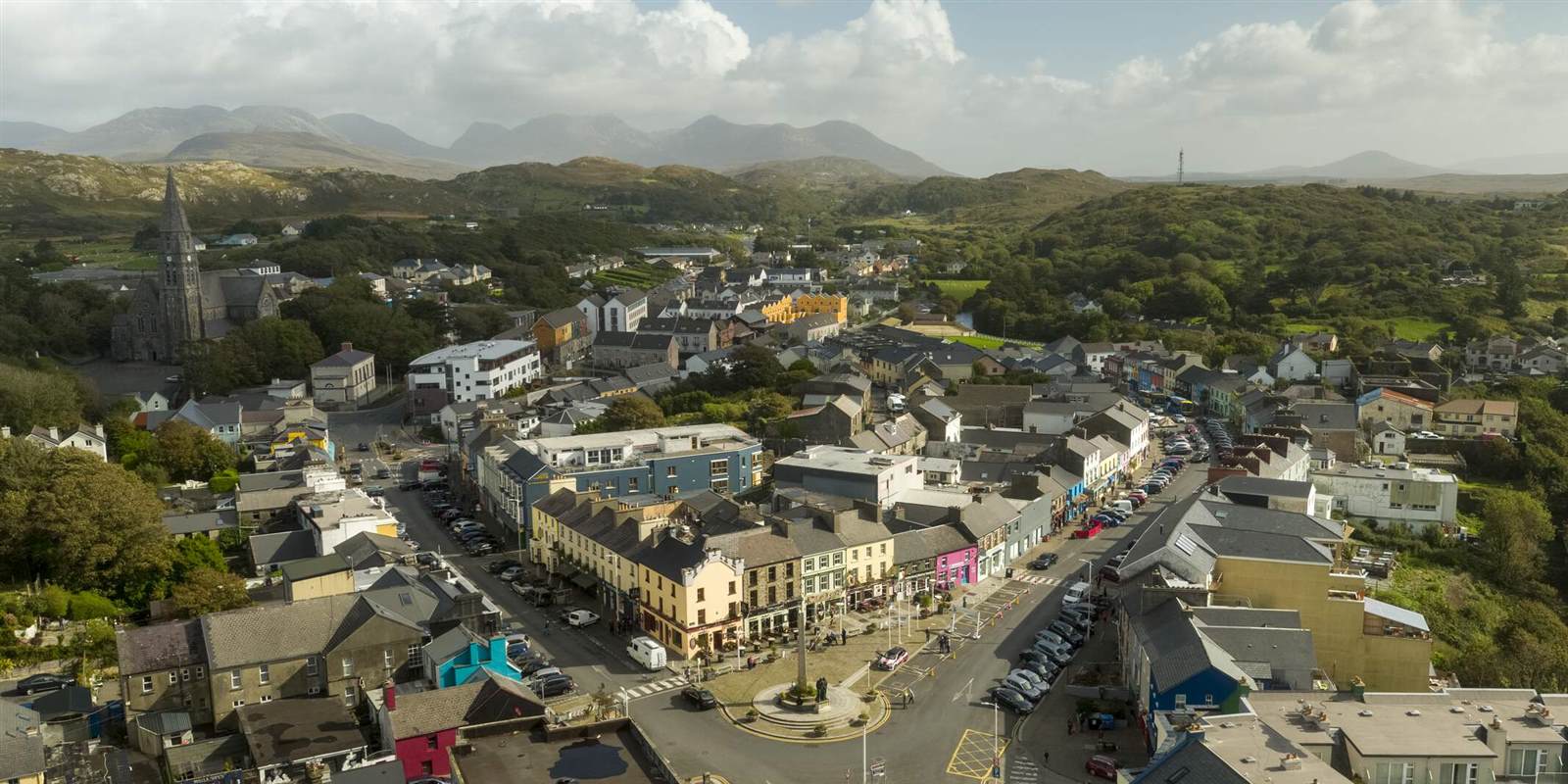
20 min drive from the National Park
As the primary town in the region, it serves as a central hub for those continuing their journey deeper into the Connemara coastline.
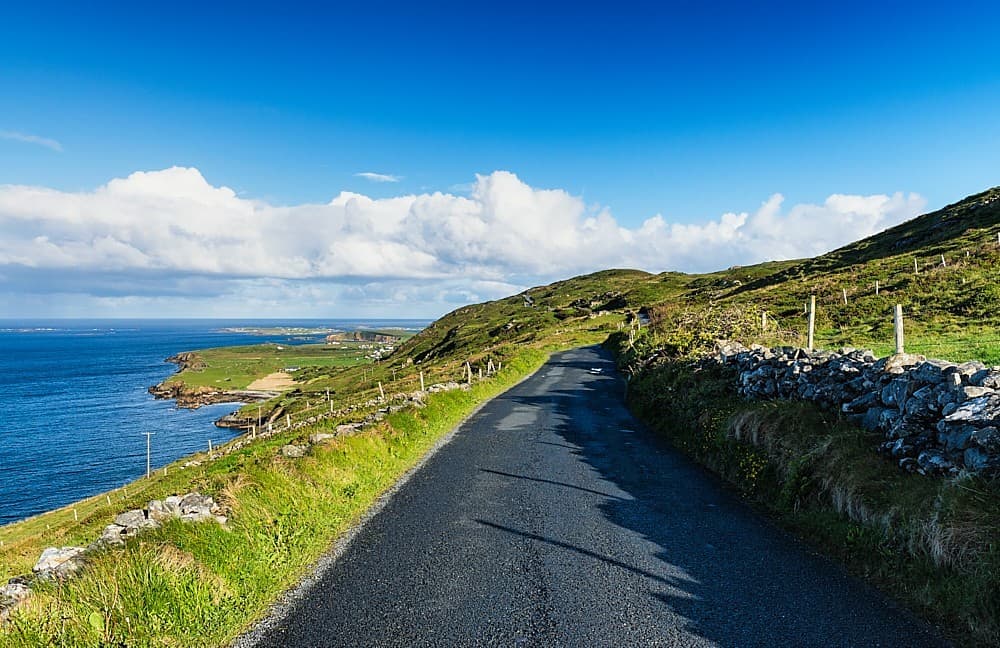
10 min drive from Clifden
This coastal route provides elevated views of the Atlantic and offshore islands, completing the visual experience of the region.
Everything you need to know about how to get to connemara from galway
Travelers typically reach the region by private car, bus services, or guided coach tours. The journey takes you through the rugged landscape of County Galway, offering flexible access to this expansive Atlantic destination.
Yes, various local coach operators offer organized excursions from the city center to key locations like Kylemore Abbey and Connemara National Park. These services are popular for visitors who prefer not to navigate local rural roads themselves.
The best arrival window is 09:00–11:00. Arriving early helps you avoid peak traffic on narrow roads and ensures better parking availability at major attractions.
The entrance fee is 0 EUR. Public roads and access to the region are entirely free for all visitors at any time.
Many routes in the area consist of narrow, winding roads that require careful driving and patience. If you are learning how to get to Connemara from Galway by car, please be mindful of livestock and cyclists along the way.
Public transport options are available, though they may have limited frequency compared to private tours. It is advisable to check the current timetable of local bus providers before finalizing your travel plans.